Food Microbiology: best kits and media

Food Microbiology: Food Microbiology: best kits and media; obtains faster and more reliable results in the most economical way possible. Also for food facility microbiology.

Food Microbiology: At MICROKIT we have been designing food microbiology best kits and media for 34 years to help factories obtain faster and more reliable results in the most economical way possible. We are also specialists in food facility microbiology, with kits that factories can use even if they do not have a self-control laboratory.

https://www.microkit.es/eng/fichas/EXCLUSIVE%20MICROKIT%20PRODUCTS%20FOR%20FOOD%20ANALYSIS,%20WITH%20THEIR%20DIFFERENTIAL%20ADVANTAGES.pdf


A) Food control products

Detect Salmonella and Listeria in food reliably, in just 36 hours and without the need for special equipment:

https://www.microkit.es/eng/fichas/Listeriquick%20&%20Salmoquick%202021%20EN.pdf

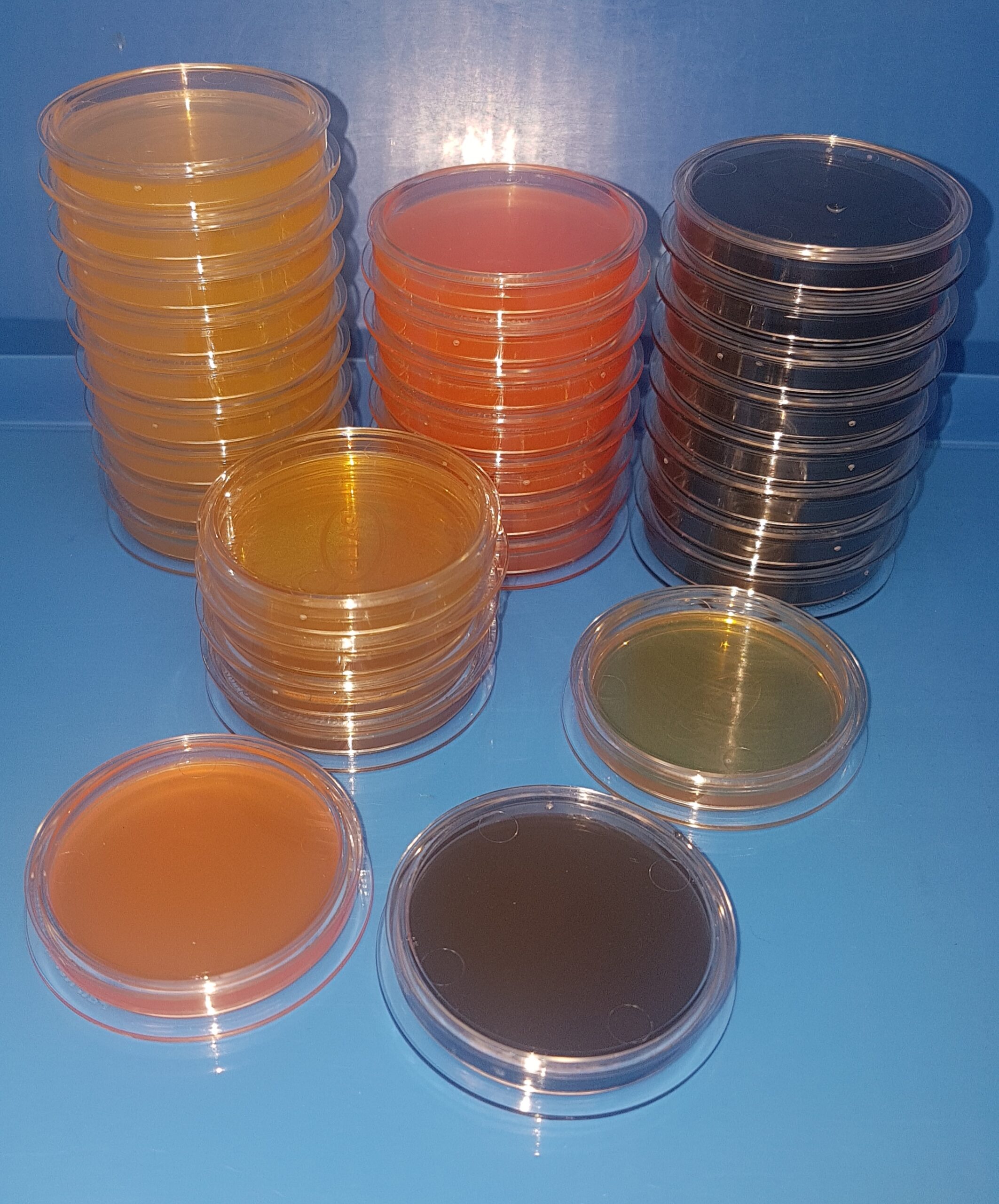
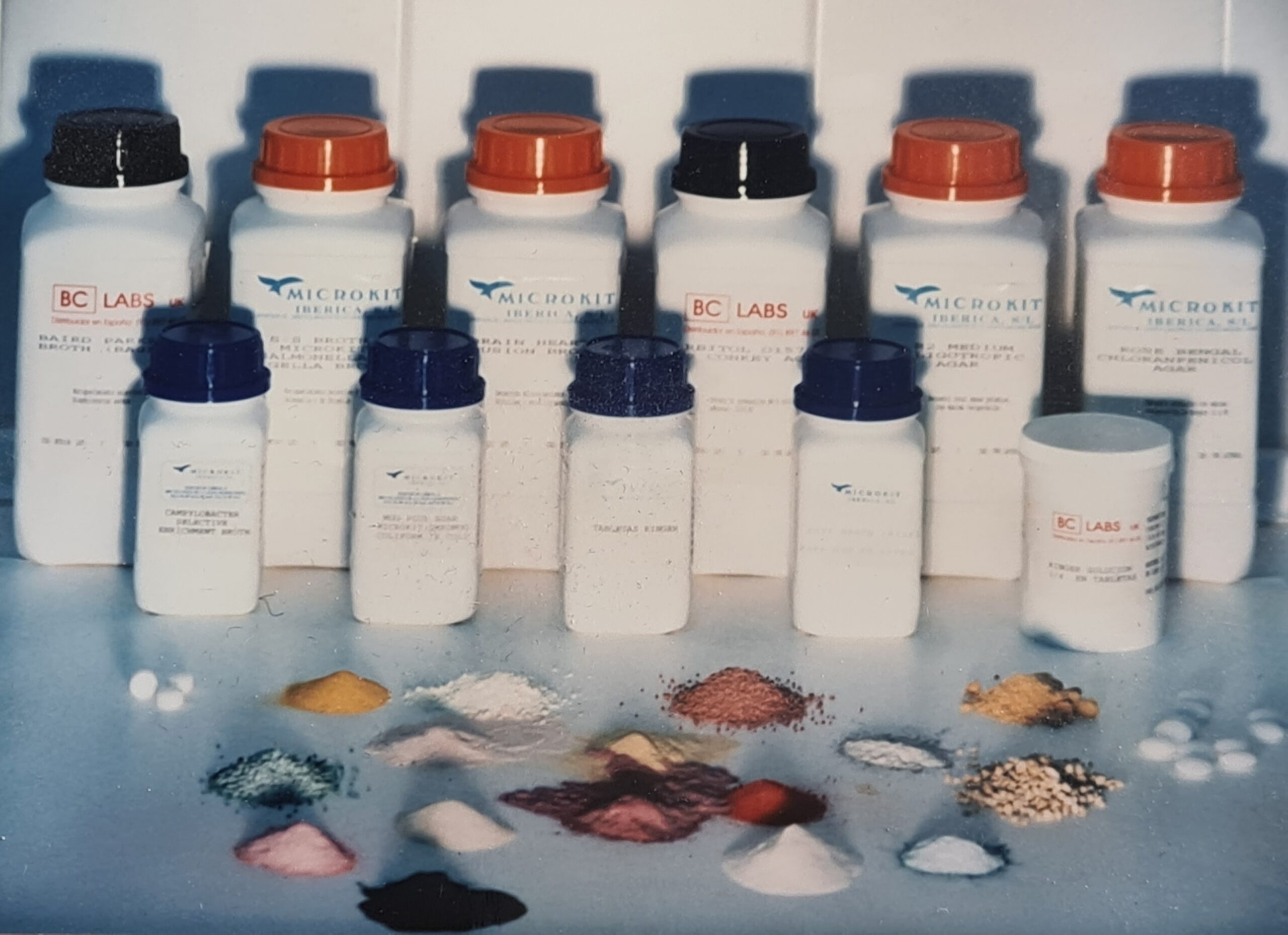
All the classic culture media you need for food microbiology:

https://www.microkit.es/eng/fichas/MICROKIT%20media%20EN.pdf

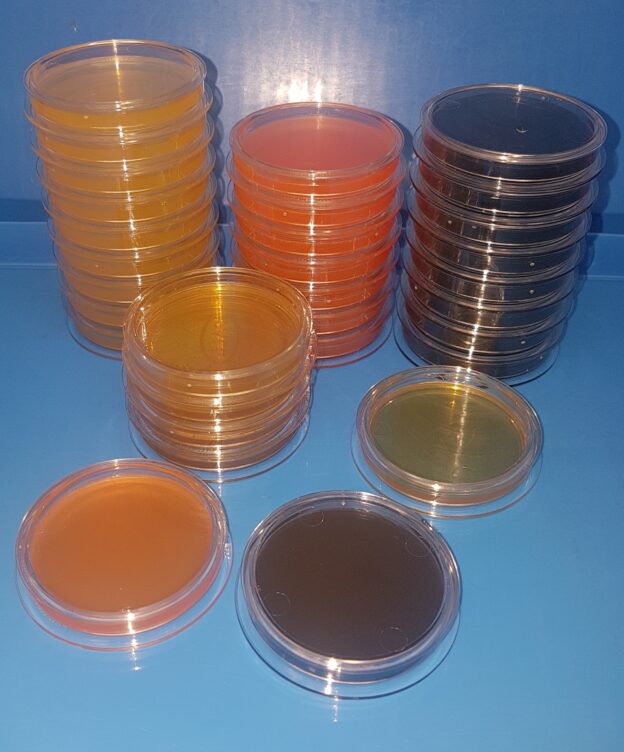
All the chromogenic culture media you need for food microbiology:

https://www.microkit.es/eng/fichas/cromokit%20chromogenic%20media%202021%20EN.pdf

The best isolement agar to detect Salmonella in food:

https://www.microkit.es/eng/fichas/CROMOSALM%20EN.pdf

…after using the best enrichment broth:

https://www.microkit.es/eng/fichas/SALMONELLA-SHIGELLA%20MICROKIT%20BROTH.pdf

The best medium to detect Listeria in food:

https://www.microkit.es/eng/fichas/Cromocytogenes%20EN.pdf

The best medium of detecting and enumerating E. coli and other coliforms in foods:

https://www.microkit.es/eng/fichas/mugplus%20EN.pdf

Tired of food artifacts in PCA and not being able to distinguish colonies from the medium?

https://www.microkit.es/eng/fichas/pca%20cromogenic%20EN.pdf

Enumerate yeasts and molds in just 18-36 h with Rapid Sabouraud RYM Agar

https://www.microkit.es/eng/fichas/RAPID%20SABOURAUD%20RYM%20AGAR.pdf

Eliminate the matrix effect (and its false negatives) due to natural (flavoring) and artificial food preservatives, thanks to the MICROKIT patented Buffered Peptone Neutralizing Water

https://www.microkit.es/eng/fichas/BUFFERED%20PEPTONE%20NEUTRALIZING%20WATER%20EN.pdf

Confirm suspicious colonies without spending expensive identification galleries:

https://www.microkit.es/eng/fichas/m%20ident%20EN.pdf

The most convenient method of analysis for the food industry, dehydrated plates for both strike and pour plate methods:

https://www.microkit.es/eng/fichas/Dry%20Plates%202021%20EN.pdf

B) Food facility control

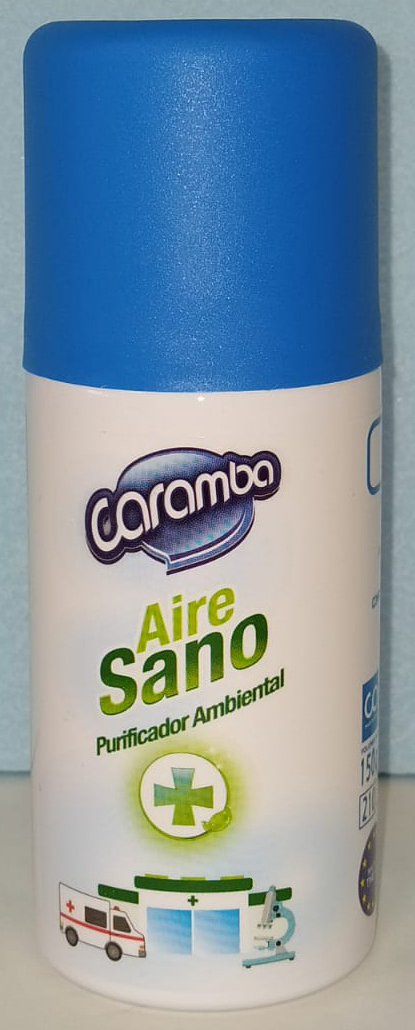
Purify the air and surfaces of your factory (in the absence of people and food for 3 hours)

https://www.microkit.es/eng/fichas/Airesano%20EN.pdf

Validate the hygiene of your surfaces with the immediate response kit that does not require any equipment:

https://www.microkit.es/eng/fichas/kitpro%20PLUS%20EN.pdf

Use MICROKIT’s best-selling kit to comply with EU regulations on Listeria on surfaces, without the Aesculin false positives of other kits:

https://www.microkit.es/eng/fichas/listeriswabs%20green%202021%20EN.pdf

Control the count of Aerobes, Fungi, Enterobacteria, Coliforms, Salmonella… on surfaces with the most classic MICROKIT kit (dipslides):

https://www.microkit.es/eng/fichas/desinfectest%20EN.pdf 

Verify that the waters that reach your factory have not suffered infiltration by wastewater or natural water, with MICROKIT P/A kits:

https://www.microkit.es/eng/fichas/P-A%20powder%20vials%202021.pdf

Are you not happy with any of the microbiological parameters you analyse? Contact us, we are sure you will be surprised by our answer. That is why we have been designing analysis media and kits for 34 years and coordinating intercomparative food microbiology services for 25 years.


https://www.microkit.es/eng/fichas/MICROKIT%20export%202024%20Catalogue.pdf

Our innovation is yours. And so is our know-how: export@microkit.es

If you want to order some MICROKIT product, please send your order to: pedidos@microkit.es

Water Microbiology: best kits and media

Water Microbiology

Water Microbiology: best kits and media. Consuming water, bottled water, bath water, natural waters… require large sample volumes (generally 100 or 250 mL) in the search for pathogens and their indicators.

MF

The most widely used method for working with such samples is Membrane Filtration (MF). In this method, these volumes are filtered and the filter is applied to the culture medium plate, so that colonies grow if the microorganisms sought are present.

https://www.microkit.es/eng/fichas/plaquis%20hermetic%20EN.pdf

MPN  Water Microbiology: best kits and media

Another very universal method is the Most Probable Number (MPN), in which several tubes or wells of liquid culture medium are used to extrapolate the count of the microorganisms sought, according to the number of positive tubes or wells (which change color). 

P/A Water Microbiology: best kits and media

And the third most widely used method is the Presence/Absence (P/A) method in which the microorganisms are not enumerated and the search is made to see if they are present or not in the sample by changing or not the color of the water. Since in all cases, we are looking for 0 to declare the water as suitable or >1 to declare it as unsuitable, obtaining a count can therefore be considered redundant.

MICROKIT offers you the Water Microbiology: best kits and media.

POUR PLATE

The only parameter for which only 1 ml of water sample is often analyzed is the aerobic count.

MICROKIT offers everything you need in water analysis, whatever method you use, and for all microbiological parameters. And using, as we use, the three methods, which is our favorite? We will see it throughout the text. Let’s look at the methods and their solutions one by one:


Total Plate Count in 1 mL of water sample (Water Microbiology)

Normally, 1 mL of water sample is added to a Petri dish, and after melting and cooling the solid medium to 45-47ºC, 15-25 mL of agar are added (sowing by mass inclusion).

The most commonly used media are YEA-Nutrient Agar (PCA-water) in water for human consumption (ISO 6222) and R2A in Pharmacopeial water.

Many laboratories use food microbiology variants such as PCA (although it is not suitable for the water oligotrophs such as YEA and R2A) or the general medium they have on hand, such as TSA.

Many laboratories use our chromogenic YEA (because the colonies grow much more clearly red in contrast to the cream medium). They even use it in the most convenient version that exists (DryPlates-TC Water), because it does not require melting and cooling media for the 1 mL of water to be sown in mass. And so the analysis time is reduced from 1 h to 10 seconds.

https://www.microkit.es/eng/fichas/Dry%20Plates%202021%20EN.pdf

In cooling waters, whether natural or contaminated ones, dipslides such as our Desinfectest-TC can be used, since they provide an estimate of the aerobic load (10E3, 10E4, 10E5…) without having to make dilutions.

https://www.microkit.es/eng/fichas/desinfectest%20EN.pdf

The rest of parameters usually requires samples of 100-250 mL:


MF Method for Water Microbiology

Coliforms/E. coli

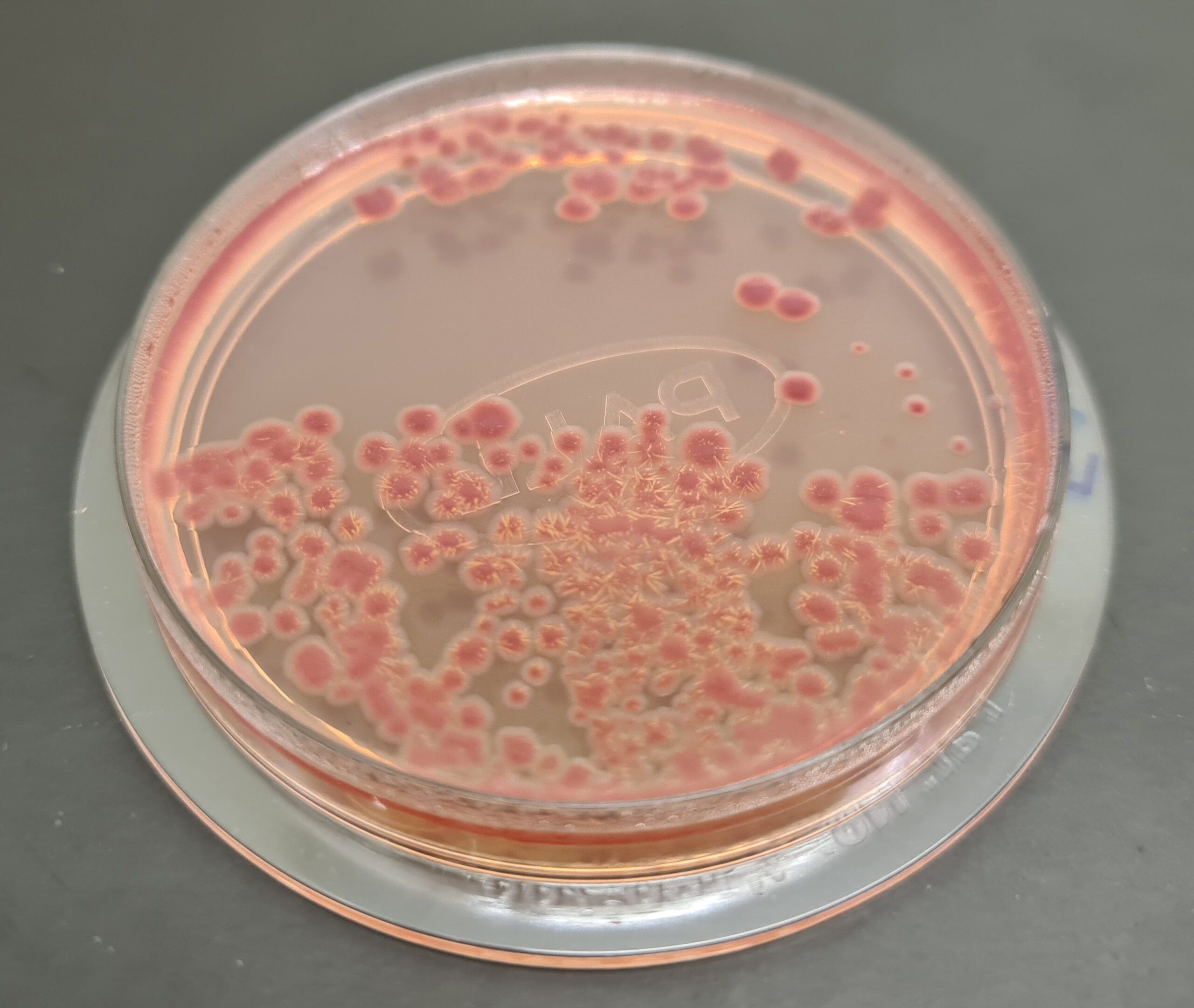
For Coliforms/E. coli, the CCA chromogenic medium is used, which we at MICROKIT christened MugPlus in 1995. This is a great advance over the previous official medium (Tergitol TTC), especially in acidic waters. The blue colonies are of E. coli and the pink ones of the other coliforms. The blue ones can be confirmed immediately with Kovacs indole (+) on the same plate in the MICROKIT medium and the pink ones with oxidase reagent (-) also on the same plate.

https://www.microkit.es/eng/fichas/mugplus%20EN.pdf

faecal Enterococci

For faecal Enterococci, Slanetz-Bartley Agar (SB, red colonies) is used followed by Bile Esculin Azide Agar (BEA, white colonies with a black halo). At MICROKIT we have validated our Rapid-BEA so that the filter can be used directly on this medium, avoiding the previous step through SB, which allows us to give results in 18 hours instead of the usual 48 hours. And for those who prefer chromogenic media, our EPA medium has the same performance, with dark blue colonies.

Clostridium perfringens

For Clostridium perfringens and its spores, TSC Agar (black colonies) and Acid Phosphatase are used to confirm them (preferably in its fluorescent MUP version, because it is not carcinogenic). At MICROKIT we also offer the chromogenic medium (orange colonies unlike TSC, which do not revert after removing the plate from the anaerobic atmosphere). Despite being a parameter of maximum importance (the two previous ones indicate contamination by waste water, but this one indicates contamination by natural waters, often with protozoa such as Cryptosporidium), the intercomparative services show that the poor results (50% false negatives and a 1-3 log drop in the counts) are not due to the medium, but to the MF method, because it oxygenates the anaerobes in the water in a way that is lethal to them. At MIcrokit we have invented a magnificent solution with the same TSC medium that we will see later (Quanti-P/A).

Pseudomonas aeruginosa

For Pseudomonas aeruginosa (bottled water, bathing water, water for hospital consumption…), Cetrimide Agar CN is used (lobed colonies, often phosphorescent, yellow, green or blue). At MICROKIT we also have the chromogenic medium that gives results in just 18 hours instead of the 48 hours of the classic CN: alert in 18h by red colonies, confirmed with fluorescent halo in 48h. If no red colonies in 18h, no Pseudomonas aeruginosa are present.

coliphages

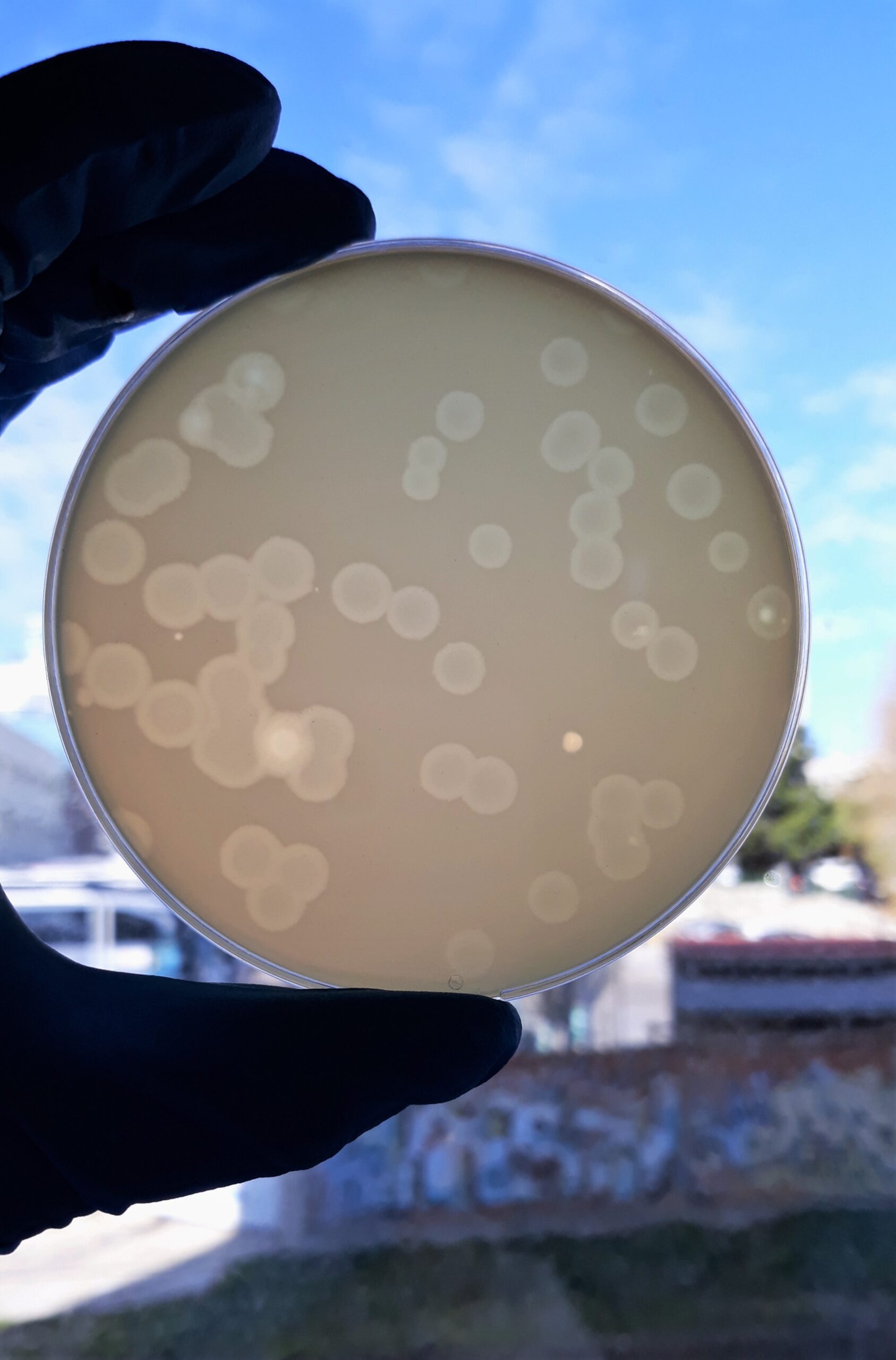
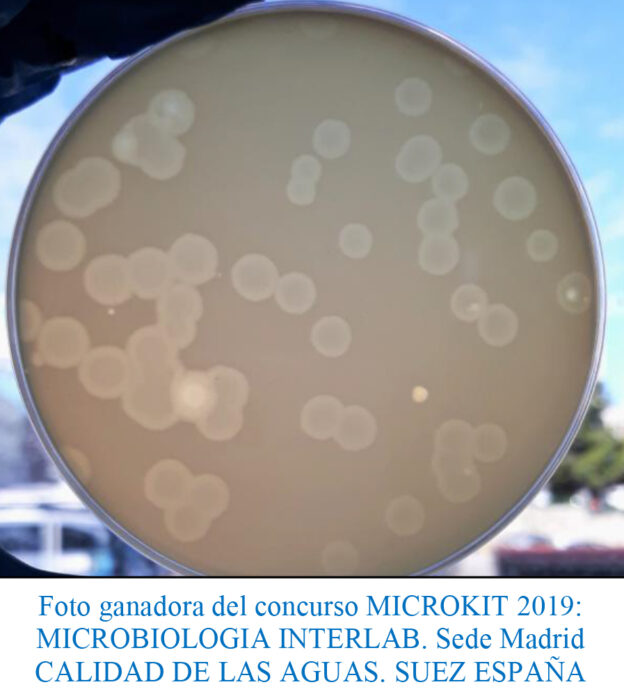
For bacteriophages (somatic coliphages) must be used Scholten Agar and search for and look for growth plaques of the E. coli strain inoculated on the plate. It is a new parameter of the latest renewal of EU legislation 1/2023 that is an excellent indicator of traveller’s diarrhoea, micro-epidemics… At MICROKIT we also offer the other 5 media required by ISO 10705 for these and the other bacteriophages mentioned therein.

https://www.microkit.es/eng/fichas/BACTERIOFAGOS%20SCHOLTEN%20AGAR.pdf

Water Microbiology


MPN Method

For Coliforms/E. coli, there is an ISO that talks about a medium with a defined substrate, but our Colicult is more recent and better because it also detects enterotoxigenic E. coli. Coliforms turn 100 mL of water blue and E. coli fluoresces blue in the dark. It can also be confirmed directly with Indol Kovacs in seconds. You can use the cuvettes from this ISO or also our own (NMP-Racks) with our own NMP tables.

For fecal Enterococci there is also an ISO with a fluorogenic medium, but our Enterocult broth (based on BEA) is newer and better. ISO cuvettes or our NMP-Racks can also be used.

For Clostridium perfringens and its spores, this NMP Method does not work well, because it requires an anaerobic atmosphere. That is why at MICROKIT we invented the Quanti-P/A bags with TSC, cold gelling agent and an anaerobic atmosphere. 100 mL of sample water are introduced, mixed with the medium by kneading, incubated, and the black colonies are observed and enumerated.

https://www.microkit.es/eng/fichas/QUANTI-PA%20Clostricult%20EN.pdf

For Pseudomonas aeruginosa you can use the USA fluorescence method with the aforementioned cuvettes. Or better yet, our Pseudocult, which in addition to fluorescence, turns pink in positive wells. Our cuvettes NMP-Racks can also be used.

Water Microbiology


P/A Method

Although for us it is the most logical method (why to be counting zeros?), easier to use and more reliable, some legislations have relegated it to work in laboratories not subject to ISO standards and to field work (for natural waters, wells, taps…), which is no small feat.

The same broths mentioned in the NMP method, are used to determine whether or not coliforms-E. coli, fecal Enterococci, Pseudomonas aeruginosa and many other parameters are present. No cuvettes are necessary. Simply add the 100 mL of water sample to the medium, incubate it and observe whether there is a color change (+) or not (-).

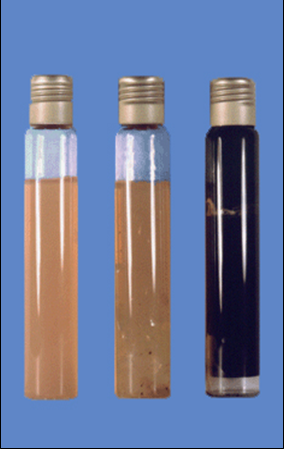
For Clostridium perfringens and its spores, Clostricult P/A is sufficient without the need to use Quanti-P/A TSC; this method also does not require anaerobic incubation. Black (sometimes only the bottom of the container): positive, otherwise: negative.

This method is so successful at MICROKIT that we have designed 3 formats, to choose from depending on the convenience, number of samples or budget of each client:
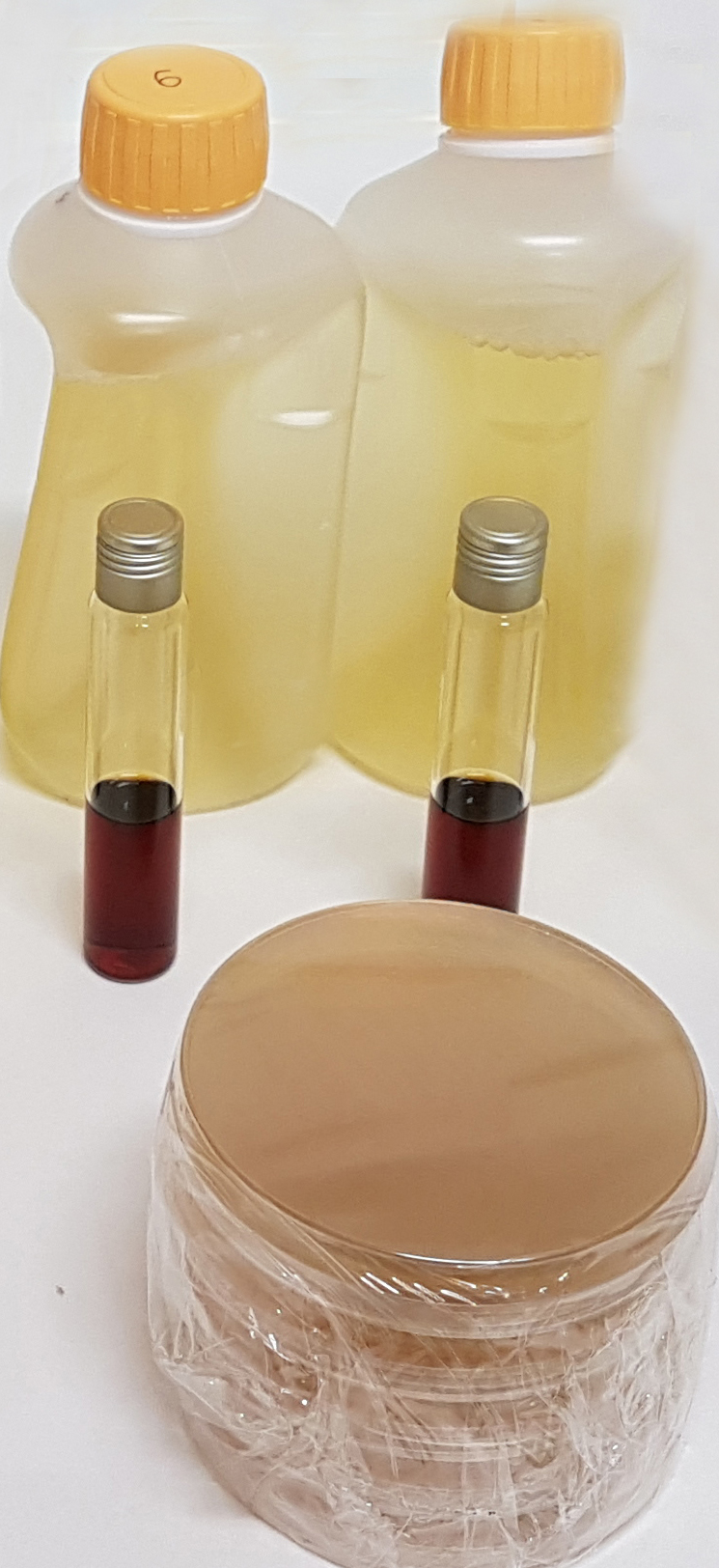
1-The classic sample bottle, with the sterile medium already hydrated, to add the 100 mL of water directly into it

https://www.microkit.es/eng/fichas/P-A%20kits%20in%20sampler%20bottles%20EN.pdf
2-The economical format for larger consumers: pre-weighed vials of sterile powder medium

https://www.microkit.es/eng/fichas/P-A%20powder%20vials%202021.pdf
3-The very economical format in 100 g jars of sterile powder medium: add a teaspoon to 100 mL of water sample and close the rest of the jar for later uses

https://www.microkit.es/eng/fichas/P-A%20Kits%20in%20100%20g%20bottles%20EN.pdf

Water Microbiology

We also offer kits that contain the P/A and DryPlates components necessary for the analysis of each type of water:

A) Water for human consumption

https://www.microkit.es/eng/fichas/drinking%20water%20kit%20EN.pdf

B) Bath water

https://www.microkit.es/eng/fichas/swimming%20pool%20kit.pdf

C) Water for cosmetic use

https://www.microkit.es/eng/fichas/COSMETIKIT%20WATER%20EN.pdf


Others

And we also have quantitative strains, confirmation kits, bottles and bags, membranes, and everything necessary for any laboratory, regardless of size, to be able to analyse its water samples in the way that best suits it.

https://www.microkit.es/eng/fichas/QUANTITATIVE%20MICROBIOLOGICAL%20STRAINS%202017.pdf

https://www.microkit.es/eng/fichas/m%20ident%20EN.pdf

https://www.microkit.es/eng/fichas/Exclusive%20MICROKIT%20products%20for%20water%20with%20their%20differential%20advantages.pdf

https://www.microkit.es/eng/fichas/MICROKIT%20export%202024%20Catalogue.pdf


Request more information and prices at export@microkit.es

If you want to order some MICROKIT product, please send your order to: pedidos@microkit.es

COSMETICS MICROBIOLOGY; best Kits and Media

COSMETICS MICROBIOLOGY

COSMETICS MICROBIOLOGY; best Kits and Media

Evolution of cosmetic microbiology:

From Pharmacopoeia to ISO Standards for cosmetic microbiology. Reasons why cosmetics are still being recalled. Even by large companies. Solutions to avoid such recalls and sanctions.

Not many years ago, cosmetic microbiology was the same as pharmaceutical microbiology. But the first thing the Pharmacopoeia says is that it is validated for medicines (i.e. not for cosmetics).

Once this reality was confirmed, MICROKIT designed the first proficiency service for cosmetics microbiology in 2005.

And indeed, the results were devastating: almost all participating laboratories obtained yields of only 40 to 60%.

That is, out of every 10 analyses, between 4 and 6 false positives or false negatives were obtained.

It was very clear that Pharmacopeia was not useful for cosmetics.

Some new problems

Shortly afterwards, the ISO Standards for cosmetics microbiology were approved and 3 mistakes were made in them:

1) Too closely emulating the Pharmacopeia method, which gave such poor results in cosmetics

2) Focusing on 4 pathogens/indicators (Candida albicans, Staphylococcus aureus, E.coli and Pseudomonas aeruginosa) and forgetting about emerging pathogens (since ISO 18415 on «specified and unspecified microorganisms» does not solve the problem; because simply strikes enriment broth in TSA, In which harmless microorganisms also grow. This waste the time of laboratories, which are forced to identify them all even if they are not pathogenic.).

3) And they also forgot about the critical waters for cosmetic use, in which no one at the water treatment plant looks for the microorganisms that cause the most problems in cosmetics. Because the legislation on water for human consumption does not contemplate them

The results of the laboratories in successive rounds of these cosmetic intercomparative services (once the ISO Standards for cosmetic microbiology were implemented in many of its participants), were better than those of the Pharmacopoeia, but still had much room for improvement. Especially in highly ubiquitous emerging pathogens, like Burkholderia cepacia or Pluralibacter gergoviae.

Only 4 pathogens?

Time has shown that there were up to 10 emerging pathogens to add to the 4 with specific ISO standards. Pathogens that created numerous and high-profile market recalls. Because only health authorities were looking for them, not the cosmetics industries or the external laboratories to which they entrusted their analyses.

It was understandable that the cosmetics industry is opposed to adding 10 new culture media to its analyses in addition to the 4 they already used, in order to guarantee that its cosmetics are microbiologically safe and harmless, as required by EC Regulation 1223/2009 (the only legislation on the subject).

A real miracle

But what if you only needed to add one culture medium to detect the remaining 10 pathogens? Without false positives of harmless ones (like TSA) or false negatives.

This idea had been floating around in MICROKIT’s head for a long time. And after overcoming the fears of what seemed impossible at first sight, MICROKIT achieved it!

A single culture medium that detects the 10 emerging pathogens that do not have an associated ISO standard (and also two of those that do).

Could you ask for more?

This magic and blessed medium has been called CUP12A (Cosmetic Universal 12 Pathogen Agar) and it’s available since 2023.

COSMETICS MICROBIOLOGY; best Kits and Media

https://www.microkit.es/eng/fichas/CROMOKIT%20CUP-12%20AGAR%20Cosmetic%20Universal%20PathoChrom%20Agar.pdf

You just have to add it to the 4 that everyone uses, to be sure that you will not continue to suffer the uncertainty of a probable market withdrawal.

Neutralizing current preservatives

On the other hand, we offer the neutralizing broth that obtains the best results when used in intercomparison. Another fruit of these 15 years of intercomparing results between cosmetic laboratories: LPTN Broth (derived from Eugon and Modified Letheen, but with doping factors and with neutralizers of all current authorized preservatives).

https://www.microkit.es/eng/fichas/LPT-NEUTRALIZING%20BROTH%20COLOURLESS.pdf

To speed up aerobic and fungal counts

And to speed up aerobic and fungal counts (in just 18-36h) we offer two other magical media: RYM Agar and Maxim Agar (a chromogenic PCA derivative):

https://www.microkit.es/eng/fichas/RAPID%20SABOURAUD%20RYM%20AGAR.pdf

https://www.microkit.es/eng/fichas/pca%20cromogenic%20EN.pdf

Beginning your self-control?

Finally, for manufacturers who do not yet have their own self-control laboratory, we have designed a prepared media kit containing everything we have described above (including all the necessary consumables), the COSMETIKIT-EASYPLUS. You only need a culture incubator and this kit to be able to start performing your own analyses of the 14 pathogens, since the kit also includes the neutralization of preservatives and the counting of aerobes and molds:

https://www.microkit.es/eng/fichas/COSMETIKIT%20EASYPLUS%20EN.pdf

Waters for cosmetic use

And for those who want to follow more thoroughly the GMPs reflected in ISO 22716 (mandatory implementation in cosmetic factories), we offer the complete microbiological water analysis kit, which includes the most important parameters of water potability, and also the two emerging ones that cause the most problems in cosmetic waters: Pseudomonas aeruginosa and Burkholderia cepacia: COSMETIKIT WATER:

https://www.microkit.es/eng/fichas/COSMETIKIT%20WATER%20EN.pdf

Control the media and kits you use

We also offer all the quantitative strains needed for quality control and high-load strains for Challenge Test. Request a stock list with exact loads and expiration dates:

https://www.microkit.es/eng/fichas/QUANTITATIVE%20MICROBIOLOGICAL%20STRAINS%202017.pdf

Validate the cleanliness of your facilities

And to validate the cleanliness of your facilities, use the simplest kit, with very evident results, which does not require any equipment; and with an immediate response, by turning green, when organic matter poses a risk of microorganism accumulation, the KitProPlus:

https://www.microkit.es/eng/fichas/kitpro%20PLUS%20EN.pdf

Another advancements

Another advancement we offer for COSMETICS MICROBIOLOGY is the hermetic prepared plates with a long shelf life (5 real months) and the dehydrated plates with a shelf life of 1-2 years:

https://www.microkit.es/eng/fichas/plaquis%20hermetic%20EN.pdf

https://www.microkit.es/eng/fichas/Dry%20Plates%202021%20EN.pdf

https://www.microkit.es/eng/fichas/MICROKIT%20export%202024%20Catalogue.pdf


Take advantage of all of MICROKIT’s experience in cosmetic microbiology (34 years of innovation). MICROKIT, your best ally; ask us what you need to know at: export@microkit.es

If you want to order some MICROKIT product, please send your order to: pedidos@microkit.es


MICROBIOLOGICAL STRAINS


Optimised Conservation of Microbiological Strains

1. Optimised Preservation of In-House and Analytical Strains

Only a few decades ago, the preservation of microbial strains relied on weekly or monthly subculturing in long-nose slant CTA medium tubes.

In laboratories managing large strain collections for epidemiological or R&D purposes, this process often required the full-time dedication of a research analyst.

Later, pharmacopoeias recommended the use of TSB with glycerol in cryovials, enabling storage for up to one year in many cases—although some microorganisms still proved unstable under these conditions.

The introduction of porous porcelain beads (similar to the coloured beads used in children’s necklaces) revolutionised the process.
With these beads, only a single bead needed to be retrieved for re-seeding, allowing the remaining ones to be refrozen without compromising viability. This innovation led to the concept of “cryoballs.”

However, many microorganisms continued to show poor survival under standard cryogenic conditions—losing viability after repeated freeze–thaw cycles or within a few months of storage.

To address this challenge, MICROKIT, established in 1989, collaborated with leading research institutions to develop several highly effective strain preservation systems:


CRIOTECA®-SKM

A cryovial system containing a Skim Milk–based cryogenic medium that significantly extends the lifespan of most microorganisms stored in strain libraries, outperforming traditional TSB–glycerol formulations.
More information


MPT Tubes

Developed specifically for Vibrio cholerae, which remains difficult to preserve. MPT Agar tubes enable re-seeding just once per year, with room-temperature stability.


CRIOTECA®-CAMPY

Tailored for Campylobacter spp., providing markedly improved preservation results compared with standard cryogenic systems.


CRIOTECA®-YM

Designed for fungi (yeasts and moulds), this formulation ensures long-term viability when frozen.


ANAEROTECA

Created for anaerobic microorganisms, especially Clostridium spp., these tubes maintain excellent viability for years at room temperature thanks to a specially designed anaerobic medium.


Advantages of MICROKIT Preservation Systems

  • Superior cryovial design: truly hermetic seal, wide and secure cap, external threading to minimise contamination risk.
  • Efficient use of freezer space: up to 100 vials stored in the space required for only 40 of other brands — an essential benefit considering the high cost of freezer storage.
  • Premium CRIOBOX packaging: transparent, durable and compact.
  • Proven reliability: CRIOTECA®, ANAEROTECA® and MPT are among MICROKIT’s best-selling and most trusted product lines, used worldwide and frequently recommended by satisfied customers.

2. Use of Quantitative Strains

In addition to our preservation systems, MICROKIT designs and manufactures Quantitative Strains, currently offering the 73 most commonly used strains across the food, cosmetics, pharmaceutical and water industries.
More information


Outstanding Stability and Quality

Our lentil-shaped quantitative strains offer exceptional longevity of two years from manufacture—twice as long as most competing brands.
They are highly stable, requiring no frozen or refrigerated transport, and remain viable for weeks at room temperature without performance loss.
Despite these advantages, they remain competitively priced.

Trusted by numerous ISO 17025-accredited laboratories, each batch of MICROKIT Quantitative Strains includes a comprehensive Quality Control Certificate, detailing:

  • Reference to the universal ISO 11133-2 collection (WDCM)
  • Traceability to the type strain
  • Passage number from the type collection
  • Count and deviation (CV%) within the batch
    • Performed on TSA/SDA and at least one selective medium (the most relevant for each microorganism)
    • Often complemented with a chromogenic selective medium

See our full export catalogue (2024)


Contact and Orders

For documentation or pricing enquiries, please contact us at:
export@microkit.es

To place an order, please send your request to:
pedidos@microkit.es


Chemical microbiology: Best Kits and Media

Chemical microbiology: Best Kits and Media. Know the products to control the microbiological load on your products and facilities

Chemical microbiology:  problems and solutions

The chemical industry often needs kits to control the microbiological load that can alter its products and facilities. At MICROKIT we have designed many solutions for these industries:


1-Dipslides to determine the bacterial and fungal load in liquids that are susceptible to being altered when the microorganism load increases: DESINFECTEST-MIX

https://www.microkit.es/eng/fichas/desinfectest%20EN.pdf


2-Tubes to detect sulphate reducers, which corrode the metals in the facilities and generate unbreathable hydrogen sulphide gas: SULFATE API AGAR TUBES


3-Tube kits with swabbs to quickly detect where bacteria accumulate (from the first 4 hours): RAPIDSWABS-TC


4-Tube kits with swabbs to quickly detect where fungi (yeast & moulds) accumulate (from the first 18 hours): RAPIDSWABBS-RYM

https://www.microkit.es/eng/fichas/RAPID%20SABOURAUD%20RYM%20AGAR.pdf


5-For a more accurate count of the different microorganisms in your products, we designed the DryPlates range, dehydrated prepared plates with a very long shelf life:

https://www.microkit.es/eng/fichas/Dry%20Plates%202021%20EN.pdf


6-And if you need to analyze the potability of your plant’s water, or even more microbiological parameters, we also have the best solution: DrinkingWaterKIt and P/A Kits. Also the hermetic plates for Membrane filtration

https://www.microkit.es/eng/fichas/drinking%20water%20kit%20EN.pdf

https://www.microkit.es/eng/fichas/P-A%20powder%20vials%202021.pdf

https://www.microkit.es/eng/fichas/plaquis%20hermetic%20EN.pdf


7-We can also help you to immediately detect the sources of organic matter that will cause microbial accumulations in the coming days:

https://www.microkit.es/eng/fichas/kitpro%20PLUS%20EN.pdf

Chemical microbiology: Best Kits and Media

We have many other specific solutions in Chemical microbiology for different microorganisms: ask us what your problems are, and we will solve them for you. Write us to: export@microkit.es

If you want to order some MICROKIT product, please send your order to: pedidos@microkit.es

https://www.microkit.es/eng/fichas/MICROKIT%20media%20EN.pdf

https://www.microkit.es/eng/fichas/MICROKIT%20export%202024%20Catalogue.pdf


Microbiology: Best Kits and Media

Microbiology: 10 Problems, 10 MICROKIT Solutions

The Best Kits and Media in Microbiology

Across laboratories worldwide, microbiologists face ten recurring challenges that can affect the accuracy, reliability and efficiency of their analyses.
At MICROKIT, we have developed ingenious, easy-to-implement solutions that optimise analytical performance and ensure consistent, high-quality microbiological results.


1. Conservation of Microbiological Strains

From weekly reseeding in slant tubes to long-term preservation for years:
CRIOTECA® Skim Milk, ANAEROTECA®, and MPT–Vibrio cholerae slanted tubes provide reliable, cost-effective solutions.
More information


2. Air and Surface Disinfection

Disinfect the air and laboratory surfaces effectively — without UV blind spots.
AIRESANO produces a fine disinfectant fog that reaches every corner safely and evenly.
More information


3. Surface Microbiological Control

Alternative systems to Rodac plates and dipslides for every surface type:
Rapidswabs-TC, Rapidswabs-YM, Sulfate API Agar tubes, Listeriswabs-Green, and more.
More information
Listeriswabs-Green 2021


4. Surface Hygiene Validation

Validate cleaning effectiveness quickly and reliably.
KitProPLUS redefines hygiene monitoring — just as Uber transformed transport — providing rapid bioluminescence-based verification.
More information


5. Cosmetics Microbiology

Safety in cosmetics is not about the absence of four pathogens — but of fourteen, as required by EU Regulation No. 1223/2009.
Begin your self-control programme with Cosmetikit-EasyPlus, and advanced labs can add just one extra medium — CUP12A — for full assurance.

CUP-12A Chromogenic Agar
Neutralising Broth (Colourless)
Cosmetikit EasyPlus
Cosmetikit Water
Dry Plates 2021


6. Food Microbiology

Conventional methods for detecting Listeria and Salmonella are slow and costly.
Our Listeriquick-desh and Salmoquick-desh kits provide accurate detection in just 36 hours — no specialised devices required.

We also offer a wide range of classical and chromogenic media for food analysis.

Listeriquick & Salmoquick
Food Microbiology Media Overview
Chromogenic PCA
Rapid Sabouraud RYM Agar
MUGPLUS
CROMOKIT Chromogenic Media
Microkit Media Catalogue
Cromocytogenes
Salmonella-Shigella Broth
CromoSalm
Buffered Peptone Neutralising Water


7. Water Microbiology

Prepared plates often have limited shelf life.
MICROKIT offers hermetically sealed long-life plates for analysing water, beverages, and pathogen confirmation after enrichment.

Water Microbiology Media
Bacteriophages Scholten Agar
Plaquis Hermetic Plates


8. In-Situ Water Testing

How to perform water control on-site without being limited to chlorine kits?
Use our Mini-Drinking Water Kit, Vibrio cholerae P/A vials, and 100 g P/A bottles for convenient, accurate in-situ testing.

Drinking Water Kit
Swimming Pool Kit
P/A Kits in Sampler Bottles
P/A Powder Vials
P/A Kits in 100 g Bottles
Dry Plates 2021


9. Water Analysis – Clostridium Detection

Traditional detection of Clostridium perfringens via membrane filtration leads to up to 50% false negatives and a 1–3 log count reduction due to oxygen exposure.

Our Quanti-PA Clostricult Bags eliminate these issues, ensuring maximum precision, accuracy and linearity — without the need for anaerobic chambers.
More information


10. Special Dehydrated Media for Complex Challenges

MICROKIT provides specialised dehydrated media for a range of microbiological needs:

  • RNA-F bacteriophages and somatic coliphages
  • BPNW to neutralise food matrix effects
  • Rapid PCA Chromogenic for total aerobic count in 18–24h
  • Rapid YM Agar for yeast and mould counts in 18–36h
  • Salmonella-Shigella Broth to avoid false negatives
  • LPTN Broth to inactivate cosmetic preservatives
  • CUP12 Agar to detect 12 emerging cosmetic pathogens
  • Buffered Peptone Neutralising Water to reduce preservative interference

Full Media Catalogue and Details


Additional Tools

We also provide a complete range of colony confirmation kits compliant with ISO Standards, designed to make microbiological identification faster and easier.
More information


High-Precision Quantitative Microbiological Strains

Our Quantitative Strains are manufactured to the highest standards of stability and traceability, and are used by numerous ISO 17025-accredited laboratories.

Quantitative Strains Overview
Export Catalogue 2024


We Can Design the Solution You Need

MICROKIT can help you solve even the most complex microbiological challenges with custom-designed kits, media, and systems.

For more information: export@microkit.es
To place an order: pedidos@microkit.es
 

Microbiología: 10 problemas-10 soluciones

Microbiología: 10 Problemas Microbiológicos y sus 10 Soluciones MICROKIT

¿Tienes problemas microbiológicos en tu laboratorio? No estás solo.
En microbiología aplicada, existen 10 problemas comunes que afectan a laboratorios de control de calidad, investigación, cosmética, alimentación y aguas.

MICROKIT ha desarrollado 10 soluciones prácticas, innovadoras y fáciles de implementar, que optimizan tus resultados analíticos y mejoran la fiabilidad de tus ensayos.

A continuación, te presentamos los 10 problemas microbiológicos más habituales y las soluciones recomendadas por MICROKIT.


1️⃣ Conservación de Cepas: De Semanas a Años

¿Sigues resembrando tus cepas cada semana o cada mes?
Con los sistemas Crioteca Skim Milk, Anaeroteca y MPT-Vibrio cholerae, podrás conservarlas durante años con total seguridad y sin pérdida de viabilidad.

Ficha técnica Crioteca y Anaeroteca (PDF)
Ficha MPT-Vibrio cholerae


2️⃣ Desinfección del Aire y Superficies del Laboratorio

Olvídate de las sombras de la luz ultravioleta.
Airesano desinfecta aire y superficies mediante una niebla uniforme, sin zonas negras y sin afectar equipos o muestras.

Más información sobre Airesano (PDF)


3️⃣ Control Microbiológico de Superficies

Alternativas rápidas y eficaces a las placas Rodac o laminocultivos tradicionales.
Soluciones como Rapidswabs-TC, Rapidswabs-YM, Sulfate API Agar Tubes o Listeriswabs-Green garantizan resultados fiables en todo tipo de superficies.

Listeriswabs Green (PDF)
Rapidswab Bacterias
Rapidswab Hongos


https://www.microkit.es/fichas/REDUCTORES-SULFATO-ANAEROBIOS-KIT-API.PDF


4️⃣ Validación de Limpieza: ¿Sus superficies están Correctamente Higienizadas?

El control de materia orgánica ya no necesita costosos aparatos de bioluminiscencia.
El KitProPlus ofrece una alternativa moderna, precisa y económica: es al control de limpieza lo que Uber fue al taxi.

KitProPlus (PDF)


5️⃣ Cosmética: Seguridad Microbiológica Total

La seguridad de un cosmético que exige el Reglamento (CE) Nº 1223/2009 no depende solo de 4 patógenos «ISO», sino de la ausencia de 14 microorganismos .
Cosmetikit-EasyPlus permite iniciar el autocontrol fácilmente y con máximo rigor.

Cosmetikit EasyPlus (PDF)


Los laboratorios que ya hacen su microbiología, pueden reforzar sus análisis con CUP12A, el medio universal cromogénico para 12 patógenos emergentes.
CUP12 Agar – Ficha técnica


Y ya pueden emplear el que ha demostrado, en intercomparación, ser el mejor caldo neutralizante y de enriquecimiento:

https://www.microkit.es/fichas/LPT-NEUTRALIZINGBROTH-INCOLORO.pdf


6️⃣ Alimentos: Resultados Rápidos sin Equipos Costosos

Detecta Listeria y Salmonella en solo 36 horas, sin necesidad de aparatos especiales, gracias a Listeriquick-desh y Salmoquick-desh.

Listeriquick y Salmoquick (PDF)


Además, neutraliza el efecto matriz de conservantes y especias sustituyendo el agua de peptona clásica por Buffered Peptone Neutralizing Water.

Buffered Peptone Neutralizing Water


7️⃣ Microbiología de Aguas: Plaquis Herméticas de Larga Duración

Evita problemas de caducidad en tus placas preparadas.
Las Plaquis herméticas MICROKIT permiten el control de microbiología de aguas y bebidas (y patógenos tras enriquecimiento por estría), con una larga vida útil.

Plaquis Herméticas (PDF)

Además se apilan extremadamente bien, lo que evita los accidentes de las placas habituales


Y aplica ya la nueva Directiva UE 2023, buscando los causantes de la diarrea del viajero  y otros problemas mediante los medios más veteranos:

https://www.microkit.es/fichas/BACTERI%C3%93FAGOS-COL%C3%8DFAGOS%20SCHOLTEN%20AGAR.pdf


8️⃣ Control In Situ de Aguas

¿Solo kits de cloro? Hay mucho más.
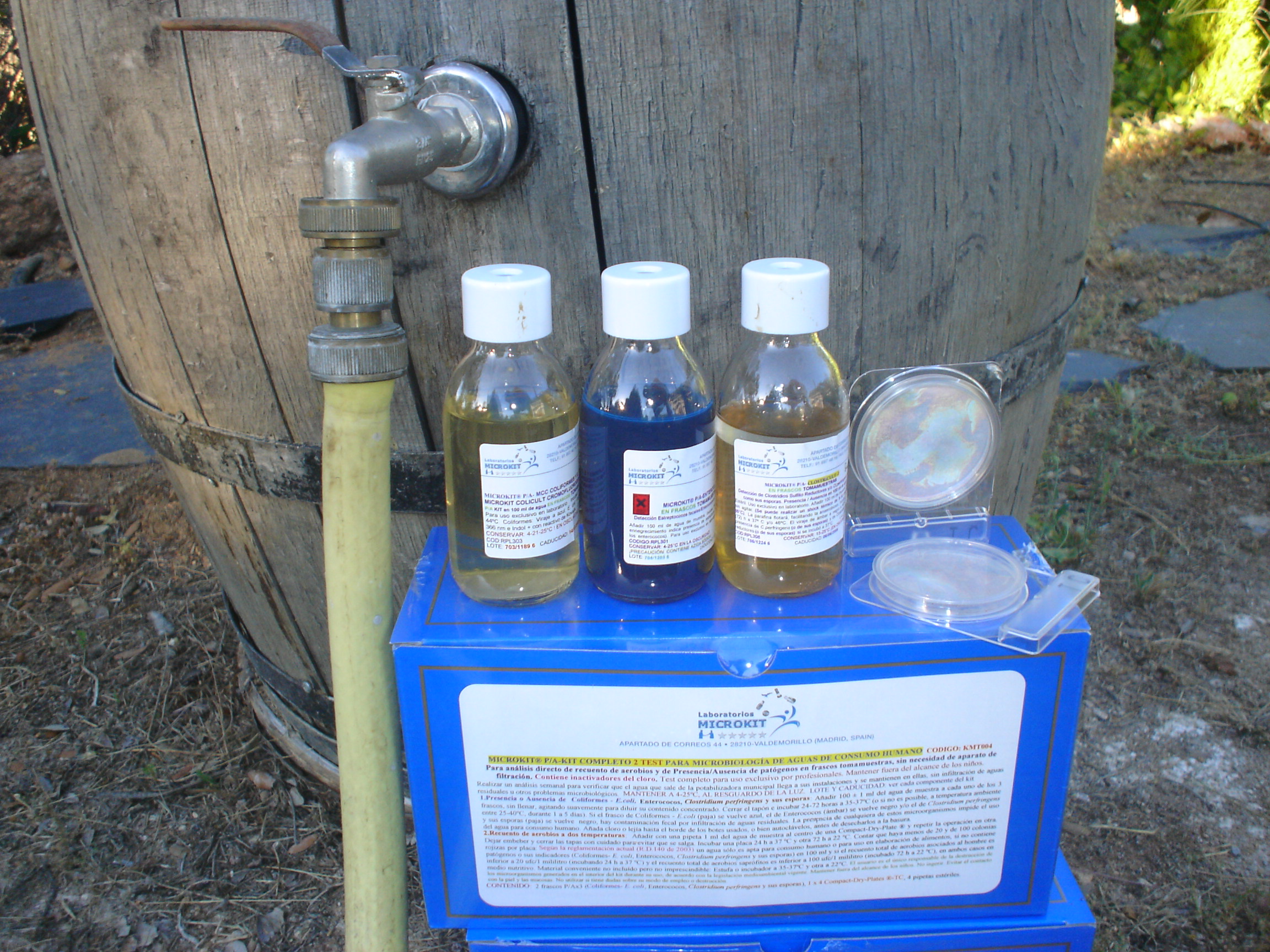
MICROKIT ofrece soluciones completas para el control microbiológico directo: Mini-Drinking Water Kit, Vibrio cholerae P/A, botes 100 g P/A, y bolsas Quanti-P/A-TSC para análisis rápido.

Mini Drinking Water Kit (PDF)


> Botes P/A Estériles (PDF)


Quanti-PA Clostricult (PDF)


9️⃣ Legionella: Confirmación Rápida y Fiable

Confirma colonias de Legionella pneumophila (género, especie y serogrupo) de forma sencilla con M-Ident Virapid Legionella, la alternativa moderna a los métodos con látex.

M-Ident Virapid Legionella (PDF)


10.Medios Deshidratados Especiales: Soluciones Múltiples

MICROKIT ofrece una amplia gama de medios deshidratados para resolver múltiples desafíos microbiológicos:


MICROKIT: Soluciones a Medida para tu Laboratorio

En MICROKIT no solo ofrecemos productos, sino soluciones personalizadas para cada problema microbiológico, por complejo que sea.

¿Tienes un problema microbiológico enquistado?
Podemos diseñar una solución específica para tu laboratorio. Si no la tenemos ya.

Contáctanos: microkit@microkit.es


Laminocultivos Dipslides DESINFECTEST®

Laminocultivos

Laminocultivos Dipslides DESINFECTEST®

El método más cómodo para control de superficies y de líquidos con alta carga microbiana potencial

La palabra laminocultivos fué inventada por MICROKIT hace 34 años, en 1989.

Con ella quisimos designar lo que en inglés se llamaba «Dipslides»: láminas con agar convexo que servían en aquellos tiempos sobre todo para urocultivos por inmersión.

Y, en unas pocas marcas, además, para control de superficies.

MICROKIT nació en esa fecha con un catálogo en el que exclusivamente  ofrecíamos laminocultivos.

Y vivimos sólo de estos «pirulos» durante el primer año, aunque en seguida integramos los discos de cartón nutrientes para Filtración de Membrana (MF) y creamos los primeros tubos preparados para fundir y elaborar placas en industria.

A ese catálogo sumamos poco después frascos,  placas preparadas y ampollas de MF.

Y más adelante nuestros propios medios deshidratados.

Los laminocultivos de MICROKIT se llaman DESINFECTEST®, nuestra primera marca registrada, ya que no nos dejaron llamarlos como queríamos: Microtest (ya estaba registrada para algo que nada tenía que ver con la microbiología).

Gama DESINFECTEST®

A lo largo de estas 3 décadas, conforme el mercado cambiaba y se hacía más exigente en microbiología, hemos ido reduciendo la gama de laminocultivos hasta la actual de los 4 de mayor éxito:

MBN101 AEM/AET Incoloro /Incoloro   – Bacterias totales tras desinfección                                (TSA-NEUTRALIZING AGAR TTC). (Para anaerobios, incube con  ANAEROKIT)
MBN103 EC-PLUS Crema/Rosado  Coliformes-E.coli y Salmonella Medio cromogénico E.coli + demás coliformes / Medio cromogénico para Salmonella. Caducidad: 2-4 meses.
MBN200 D-HACCP Incoloro / Púrpura    – Recuento Total (PCA+Neutralizing TTC) / Enterobacterias (VRBG Agar)
MBN407 MIX Incoloro / Rosa – Recuento total aerobios (bacterias+hongos) (PCA, Neutralizing, TTC) /- Levaduras y Mohos (rosa Bengala CAF Agar). Incubar a 25ºC para aerobios y hongos alterativos y a 35ºC para aerobios y hongos patógenos. Cad:  2-6 meses según el stock actual.

Los laminocultivos DESINFECTEST® tienen dos usos:

A) Control de superficies, por simple presión durante 10 segundos de cada una de las dos caras de la lengüeta, contra la superficie a analizar. La ventaja sobre las placas de Contacto «Rodac» es que tienen 10 cm2 en vez de 25 cm2, lo que permite muestrear superficies cóncavas y convexas con mayor facilidad. Y que el cierre a rosca le confieren mucha más larga caducidad.

B) Control de líquidos por inmersión, siempre que se espere un recuento superior a 1000 ufc/mL. Esto resulta ideal para ahorrarse hacer diluciones en ciertos líquidos donde la concentración de microorganismos puede ser muy alta: aguas residuales, taladrinas, combustibles… y por supuesto la orina en caso de UTI.

Valor diferencial

Las ventajas de DESINFECTEST® sobre otras muchas marcas de laminocultivos, son, sobre todo, dos:

1-que ocupan 10 cm2 reales de medio de cultivo sólido (otras son mucho más pequeñas o con medidas que obligan a conversiones complicadas para dar el recuento por cm2), y

2-que no se deslaminan ni se contaminan durante el transporte, gracias a un molde de plástico optimizado-inmejorable durante estas 3 décadas de uso

Por eso, DESINFECTEST® de MICROKIT sigue siendo el líder indiscutible en los laboratorios donde prima la calidad sobre cualquier otra consideración. Y ha permitido realizar millones de análisis en miles de laboratorios de toda España y parte del extranjero.

https://www.microkit.es/pdf/desinfectest.pdf

https://www.microkit.es/fichas/DESINFECTEST-LAMINOCULTIVOS-DIPSLIDES.pdf

Para más información, contacte con nosotros en microkit@microkit.es y para hacer sus pedidos, contacte con pedidos@microkit.es

No se pierda el vídeo:

https://youtu.be/qJB0elPYvVU


Placas preparadas para Filtración de Membrana

Placas preparadas para Filtración de Membrana:  Plaquis® Herméticas, donde el agar no se retrae ni se seca, larga caducidad; y apilables.

Presentamos las plaquitas herméticas de 47 mm de diámetro, especiales para filtración de membrana, la cual cabe exacta colocándola contra la pared.

Y también muy útiles para estría tras enriquecimiento de patógenos.

Ventajas de las Placas preparadas para Filtración de Membrana en formato «PLAQUIS® de MICROKIT®»:

♥ Enorme caducidad real, no ficticia: mínimo 4 meses si se conservan con variaciones de temperatura día/noche y 6 meses (o incluso más) si se conservan a temperatura constante

Ahórrese el disgusto de las otras plaquitas de filtración, que se retraen y secan mucho antes de la fecha de caducidad indicada por sus fabricantes

♣ Ocupan menos espacio que las de 60 mm (y por supuesto que las de 90 mm) en almacén, estufas y residuos

♦ No necesitan transporte ni almacén refrigerados: se conservan ideal a 16 ± 5 ºC (sí, su temperatura ideal de conservación es de 11 a 21 ºC), eso sí, en oscuridad como todo medio preparado

♠ Se pueden apilar en columnas altísimas en la cabina y estufa sin que se desmoronen, gracias a su diseño de encaje perfecto

♥ Mucho menos plástico que  contamina el medio ambiente por cada ensayo, que las placas y plaquitas convencionales

♣ Cámara de aire validada tanto para fermentadores como para «super-aerobios», en función del volumen del medio de cultivo dispensado

♦ Plaquis® preparadas de todos los medios de aguas de consumo, envasadas, refrescos, vino y cerveza: CCA, SB, BEA, EPA, CN, YEA, R2A, Maxim-PCA cromogénico, Standard TTC, Sabouraud Caf, Rapid RYM, WL, M-Green, Brettanomyces…

♥ Y tambien de todos los medios para estríar tras enriquecimiento: Salmonella ABC, XLD, Listeria O&A, Baird Parker, BPX19, BCPT, BCSA, Biggy, Cetrimida, CUP12A, EMB Levine, KIng A/B, MacConkey Agar, mFC, RB Caf…

Sin duda, el formato más cómodo del medio preparado

https://www.microkit.es/pdf/plaquis.pdf

Para más información, contacte con nosotros en microkit@microkit.es


colífagos somáticos: 3 medios ISO

colífagos somáticos: 3 medios ISO: bacteriófagos según BOE-Aguas de consumo humano 10-1-2023 (R.D. 3-2023) siguiendo la ISO 10705:2001

Desde que la Norma ISO 10705 vió la luz en el año 2001, MICROKIT formuló los medios que en ella se especificaban para la búsqueda y recuento de colífagos mediante las calvas que dejan en el agar Scholten plaqueado con E.coli concentrado. En la ISO también explican como emplear el  medio Scholten en caldo y en semisólido, por lo que MICROKIT formuló los 3.

Unos medios que quedaron relegados a laboratorios pioneros que buscaban estos virus en aguas por su propia cuenta.

En 2019 MICROKIT convocó un concurso de fotografía para este medio, y la foto ganadora fué la elegida para los folletos de estos medios (Interlab Madrid-Suez España).

En enero de 2023 se publicó por fin la obligación de buscar estos virus colífagos en aguas de consumo humano, mediante el R.D. 3-23.

Al ser más resistentes a los procesos de desinfección que las esporas de Clostridium perfringens, son mejor indicador de la inflitración con aguas naturales en la potabilizadora, con probable presencia de Cryptosporidium y otros protozoos patógenos que provocan las pequeñas epidemias (andancios) que se dan al beber agua de otra localidad.

Y desde entonces son ya centenares los laboratorios que han buscado la experiencia del fabricante que lleva estos 22 años elaborándolos.

https://www.microkit.es/fichas/BACTERIOFAGOS-COLIGRAFOS-SCHOLTEN-AGAR.pdf

https://www.microkit.es/fichas/BACTERIOFAGOS-COLIGRAFOS-SCHOLTEN-BROTH.pdf

https://www.microkit.es/fichas/BACTERIOFAGOS-COLIGRAFOS-SCHOLTEN-SEMISOLID.pdf

colífagos somáticos: 3 medios ISO

Incluso algunos laboratorios pioneros de la UE, se han adelantado a futuras legislaciones y nos han hecho formular desde la entrada en vigor de este R.D. estos nuevos 3 medios para colífagos especiales (ARN-F-específicos:

https://www.microkit.es/fichas/BACTERIOFAGOS-ARN-F-Especificos-AGAR-BASE.pdf

https://www.microkit.es/fichas/BACTERIOFAGOS-ARN-F-Especificos-CALDO-BASE.pdf

https://www.microkit.es/fichas/BACTERIOFAGOS-ARN-F-Especificos-SEMISOLID-MEDIUM-BASE.pdf

Ofrecemos estos medios para colífagos somáticos en aguas en todas las versiones: deshidratados, y preparados en placas, tubos y frascos.

Solicite más información y precios en: microkit@microkit.es